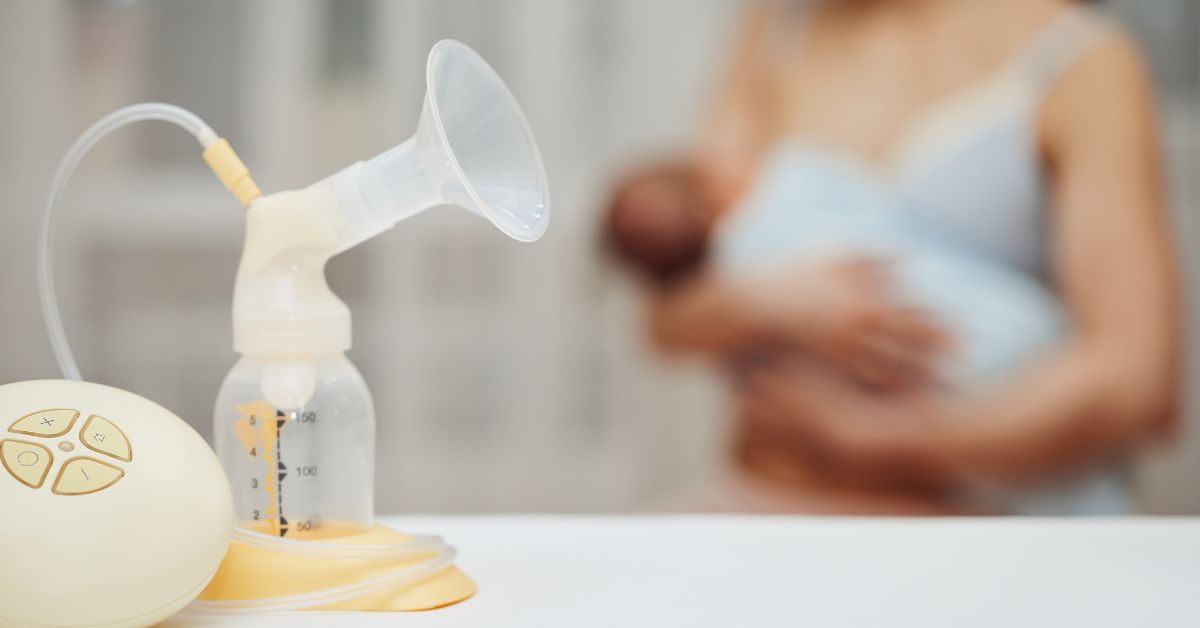
Breastfeeding does not always go smoothly, especially for first-time mothers. Therefore, it is important to understand how to breastfeed properly to prevent sore or cracked nipples, ensuring comfort for both mother and baby.
Sore nipples are common during the first week after childbirth. If not managed correctly, the condition may persist for months and potentially worsen into more severe wounds. To prevent this, here is an explanation of the causes of sore nipples and practical tips to manage and prevent them.
For more information, read:
“Understanding Proper Breastfeeding Preparation, Techniques, and Methods”
6 Causes of Sore Nipples During Breastfeeding
Before learning how to prevent sore nipples, it is important to understand the causes. Nipple soreness should not be ignored, as it may result from various factors, including:
1. Improper Latch
Incorrect breastfeeding technique can cause nipple pain and irritation. This occurs when the baby does not latch properly onto the breast.
2. Bacterial Infection of the Breast
Known as mastitis, this condition can cause significant pain if left untreated. Bacteria may enter through cracked nipples and infect breast tissue, often originating from the baby’s mouth or the skin surface.
3. Baby Sucking Too Strongly
Strong suction may occur due to blocked milk ducts, causing nipple pain and swelling. Prolonged blockage may also lead to breast engorgement.
4. Fungal Infection from the Baby’s Mouth
Infants have immature immune systems and are prone to fungal infections such as oral thrush, which can spread to the nipples, causing redness, itching, and soreness.
5. Tongue-Tie (Ankyloglossia)
Tongue-tie occurs when the frenulum under the baby’s tongue is too short, limiting tongue movement and affecting breastfeeding, swallowing, and speech development.
6. Improper Use of a Breast Pump
While breast pumps are helpful, incorrect usage can cause friction, blisters, and severe nipple pain.
8 Tips to Prevent Sore Nipples While Breastfeeding
1. Clean Nipples with Mild Soap
Use gentle, fragrance-free soap to clean the nipple area and avoid dryness or irritation.
2. Wear Comfortable Nursing Bras
Choose soft cotton nursing bras that reduce irritation and allow good air circulation around the breasts.
3. Apply Cold Compresses
Cold compresses can help relieve pain and inflammation between feeding sessions.
4. Use Breast Pads
Soft, absorbent breast pads help reduce friction and keep nipples dry.
5. Apply Breast Milk After Feeding
Breast milk contains natural antibacterial properties. Applying a few drops to the nipples before and after feeding can promote healing.
6. Use Nipple-Specific Moisturizers
Once wounds begin to heal, apply safe nipple moisturizers to prevent further irritation.
7. Allow Nipples to Dry Before Dressing
Ensure nipples are completely dry before wearing bras or clothing to prevent bacterial and fungal growth.
8. Use Warm or Cold Compresses
Applying warm or cold compresses after feeding can reduce swelling and discomfort.
Sore nipples are common during breastfeeding. By practising the tips above and addressing the causes early, mothers can minimise discomfort. If symptoms persist, consult a healthcare professional for further evaluation.
For more information, read:
“Lactation Consultation and Its Role in Supporting Mothers and Babies”
RSIA Bunda Denpasar offers modern facilities for women’s health check-ups, maternity care, 24/7 emergency services, teleconsultation, home care, and more.
Contact our team to explore attractive women’s health packages.